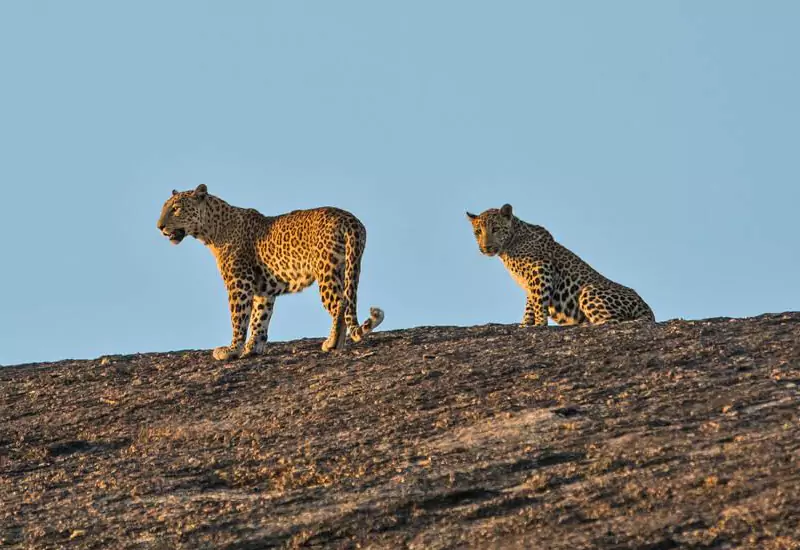
The Jawai region in western Rajasthan is a unique wildlife destination. Here, in the rocky hills around the reservoir known as Jawai Bandh, you can go on a safari to spot wild leopards, along with other animals and birds. This guide walks you through what to expect, how to plan your trip, the best time to visit, what you’ll see, and tips to make the experience smooth and memorable.
What makes Jawai special
-
Unlike typical dense forests or fenced wildlife parks, Jawai is an open terrain of granite hills, lava‑rock formations, reed‑covered water bodies, and villages. The leopards here live freely among the rocks and human‑habitation in a remarkable example of coexistence.
-
The region covers around a 60‑kilometre radius with around 16 villages and 9 leopard safari points mentioned by operators.
-
Because the terrain is open hills rather than dense jungle, spotting leopards is comparatively easier (though still a wildlife experience, never guaranteed) and the setting is visually dramatic.
-
You also get a mix of wildlife, nature, cultural experience (tribal villages, local shepherds‑herdsmen) which gives the safari a broader appeal
Best Time to Visit
-
The most comfortable months are October to March. The weather is cooler, good for a safari, and also migratory birds visit Jawai.
-
If your focus is purely wildlife/leopard spotting, April to June can also be good because water sources dry up and animals (including leopards) concentrate more around the reservoir and water bodies.
-
Monsoon months (July‑September) bring green scenery, but safari terrain can be trickier and sightings less predictable.
Safari Timing & Formats
-
Most safaris are offered twice daily: early morning and late afternoon/evening. For example, a typical morning safari might start around 5:30 a.m. (in summer) or 6:00 a.m. (in winter) and run until about 9:00 a.m. The evening safari might run around 3:30–6:30 p.m. (season‑dependent) and offers golden‑hour light.
-
Safari duration is often 3‑4 hours for a half‑day drive. There are also full‑day or even 12‑hour safari options that take you deeper into the terrain.
-
Vehicles used are 4×4 jeeps or “gypsies” (open‑top or partially open) with experienced drivers and guides who know the terrain and leopard behaviour.
What You’ll See & Experience
Leopards
The main attraction: wild leopards in their natural habitat. You might spot them on rock ledges, near water holes, or moving along the granite hills. Because the terrain is open, they may be visible from a distance and sometimes quite close. One reviewer wrote:
“On my safari, we drove through the rocky hills at sunrise… we finally spotted a leopard sitting high up on a boulder, blending perfectly with the rocks.”
Other Wildlife
-
Crocodiles in the reservoir, birds (including migratory species during certain months).
-
Hyenas, foxes, jackals, nilgai (blue bull), wild boar.
-
The scenery itself: granite hill formations, water body expanses, rural village life, calm villages and local shepherds.
Cultural & Landscape Experience
-
You’ll often drive through or by Rabari villages (traditional herding communities), where you may see domestic animals, local lifestyle, interesting rock‑temples or caves.
-
The landscape is rugged, raw, less commercialised compared with big national parks, which many travellers find refreshing and more ‘untouched’.
Sample 2‑Day Itinerary
Here is a simple itinerary you can adapt based on your travel schedule.
Day 1
-
Arrive at Jawai (nearest larger town/city might be Udaipur or Pali depending on your route). Check into a camp or lodge.
-
Afternoon: Relax, explore the surrounding lodge area, maybe walk around the village or reservoir.
-
Evening Safari: Around 3:30‑4:00 pm depending on the season, go out on your first safari. Watch for cascading light on the hills, keep eyes on rock outcrops, water bodies. Return before dark to camp.
Day 2
-
Early Morning Safari: Go out around sunrise, say 5:00‑6:00 am. The light is soft, leopards may be more active.
-
After safari, have breakfast, then explore more of the area: reservoir walk, bird‑watching, maybe a village visit.
-
Optional: A second afternoon safari if you want to increase your chances of spotting and for variety.
-
Evening: Enjoy camp side – local food, silence of the hills, stargazing in this open terrain.
Departure
-
Either leave next morning or stay an extra night if you want more time.
Practical Tips for Your Safari
-
Booking & advance arrangements: Make your safari reservation ahead of time. Especially for early morning slots and good vehicles. Many operators require a full advance payment.
-
Vehicle & group size: Check whether the safari is shared or private. A smaller group gives more flexibility. Some operators list private jeep options for 4‑6 people.
-
What to wear: Comfortable, breathable clothes. Neutral or dull colours (avoid bright reds/pinks) so you don’t attract attention in wildlife terrain. Good walking shoes. Early morning and evening can be cooler, so carry a light jacket.
-
What to carry: Water bottle, sunscreen, hat/sunglasses, binoculars (if you have), camera with zoom lens. Also small snacks.
-
Respect the rules: Stay within the vehicle unless instructed otherwise. Don’t make loud noises. Follow guide/driver instructions for safety.
-
Weather & terrain: The terrain is rocky, drivers will go off‑road in places. In monsoon, some tracks may be sloppy. In summer, heat may be intense.
-
Accommodation: There are camps, lodges in and around Jawai. Since it is less commercialised than large parks, the number of options is more limited—so book. Spend at least one night to make the most of safari times.
-
Photography: If you are into photography, morning and evening safaris give the best light. Rocky hills plus leopards create very dramatic images.
-
Expectations: While sighting chances are good, wildlife is unpredictable. Don’t expect guaranteed sightings. However, many guests report success with 1‑2 safari drives.
-
Local interaction: If your safari includes village visits, be respectful of homes and communities. A little basic local etiquette helps (ask permission before photographing villagers, avoid stray behaviour).
Why Choose Jawai Over Other Wildlife Spots
-
Less crowded and more intimate compared with big wildlife parks. You often get a sense of being in the wilderness rather than visiting a fenced reserve.
-
Unique terrain: granite hills, reservoir, villages all mixed—not just forest.
-
The coexistence story: leopards living in and around human settlement, yet wild and free. This makes the experience stand out.
-
Great for both wildlife and nature lovers, as well as those who enjoy culture and landscapes.
Things to Keep in Mind
-
Since the terrain is open and not always predictable, be patient. The best sightings may come when you least expect them.
-
Time of year matters for comfort and conditions. If you want cooler climate and birdlife, choose winter months. If you want animal‑action around water, choose summer.
-
The region is less commercialised than some other big parks, meaning fewer amenities but more raw experience.
-
Transport to Jawai may require planning: check nearest airports, railway stations. From lodges/camps you’ll typically be picked up for safari.
-
Always check for the latest safari rules, vehicle limits, safari duration, what’s included/excluded before booking.
-
Respect nature: don’t litter, don’t disturb animals, keep noise low, maintain safe distance.

No comments:
Post a Comment